跳到主要內容

[開箱] 寫 code 專用螢幕 Samsung UHD Monitor 32 吋

過年買了 Samsung UHD 32 吋寬螢幕,用來寫程式以及編輯影片,今天來開箱吧。

外箱設計的部分,簡約乾淨地把產品特色標註在包裝上。


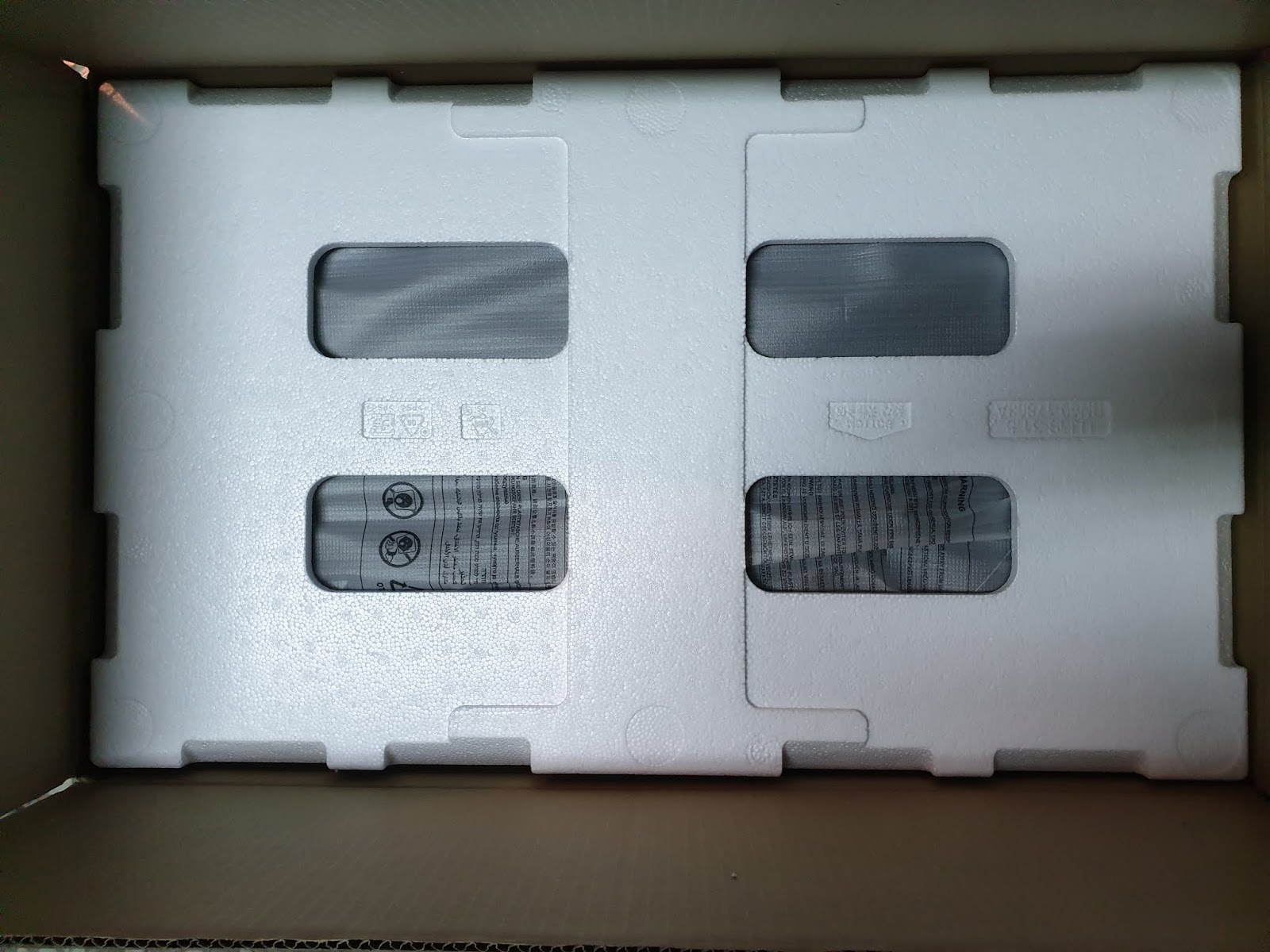
內層有保麗龍保護防震。

面板邊框不會太寬整體看起來很和諧,質感不錯。


附贈的配件也很簡單,一條 HDMI 的線,電源供應器,支架和說明書。


將支架與螢幕組裝起來,不需要螺絲起子,用手就可以旋緊大板的螺絲。


接上電腦後,相較於往常許多的螢幕有許多按鍵,這個螢幕的按鈕設計十分簡約,只有一個按鈕,設置在螢幕背部。這讓我想到賈伯斯當 2007 年發表 iphone 第一代時說的話:

“get rid of these buttons, buttons and controls can't change.”

設置完畢:


設定抗藍光(長期寫 code 容易盯著螢幕),跟調整亮度:


心得:
三星螢幕的品質一直都算蠻領先的。在 UI 以及外觀上,最近幾年都有往簡約的方向改良。我覺得不論設計什麼產品,簡約這個觀念,在使用者的印象跟舒適度上,是很加分,也很重要的一種風格。


留言

這個網誌中的熱門文章

[開箱] Filco Majestouch 2 忍者鍵盤第二代

最近買了一個新款的 Filco 忍者鍵盤第二代,NINJA Majestouch 2: 鍵盤對我來說蠻重要的,以前就很喜歡 Filco 品牌的鍵盤,我大學使用的第一支茶軸鍵盤就是 Filco 的牌子,現在已經充滿了灰塵,使用了至少已有 8 年了吧: 畢業後有買另一個 irock 鍵盤: 這禮拜拆開新鍵盤來看看: 內部包裝 內部包裝 採用按鍵的文字採用側印 鍵帽與拔鍵器 整體外觀 整體而言,美感簡約低調,按鍵的反饋力也很好,是一個適合寫程式的鍵盤。 相較於我的另一個也是德國櫻桃茶軸鍵盤 irock 品牌,我覺得 Filco 的按鍵回饋比較綿密,有漸層的回饋感,且按鍵聲音比較安靜。irock 則比較像機械打字的回饋感,敲字時也都蠻舒壓。

[程式競賽] UVa 572, Oil Deposits,Flood Fill 演算法

原題目簡述如下: 以 m x n 大小的 grid 代表一張地圖,現今要在此地圖內探勘,找出油田。某一區塊如果標示 "@" 代表有油,"*" 代表沒有油。 "@" 相鄰的區域的聯集,可視為一個油田。(所謂相鄰,除了上下左右,斜向的相鄰也算進去) 求任意地圖中,油田的個數。 例如輸入的測資為: *    *   *    *  @ *   @  @  *  @ *   @   *   *  @ @ @  @   * @ @ @   *   *  @ 則油田個數為 2。 想法 採用典型的倒水演算法(Flood Fill),走訪 "@" 出現的區域,從此往下倒水,倒過水的區域標上 id,因此透過 id 的編號,可以得知油田的個數。 實作 先實作倒水演算法的子函式: void floodfill(vector<vector<char> >& map,                vector<vector<int>  >& id_table,                int row, int col, int id) {    if(row < 0 || (row >= map.size()) )   return;    if(col < 0 || (col >= map[0].size())) return;    if(map[row][col] != '@' || id_table[row][col] > 0) return;    id_table[row][col] = id;   ...

[心得] 復古、老派的程式設計之路

最近看到 John Carmack 2018 年的貼文中的幾段話: I’m not a Unix geek.  I get around ok, but I am most comfortable developing in Visual Studio on Windows.  I thought a week of full immersion work in the old school Unix style would be interesting, even if it meant working at a slower pace.  It was sort of an adventure in retro computing — this was fvwm and vi.  Not vim, actual BSD vi. In the end, I didn’t really explore the system all that much, with 95% of my time in just the basic vi / make / gdb operations.  I appreciated the good man pages, as I tried to do everything within the self contained system, without resorting to internet searches.  Seeing references to 30+ year old things like Tektronix terminals was amusing. In the spirit of my retro theme, I had printed out several of Yann LeCun’s old papers and was considering doing everything completely off line, as if I was actually in a mountain cabin somewhere, but I wound up watching a lot of the Stanford CS231N lectur...